Before the gloves: SayTrueGod’s music story
By Soreheads Editorial · 2026-10-16 · 2 min read
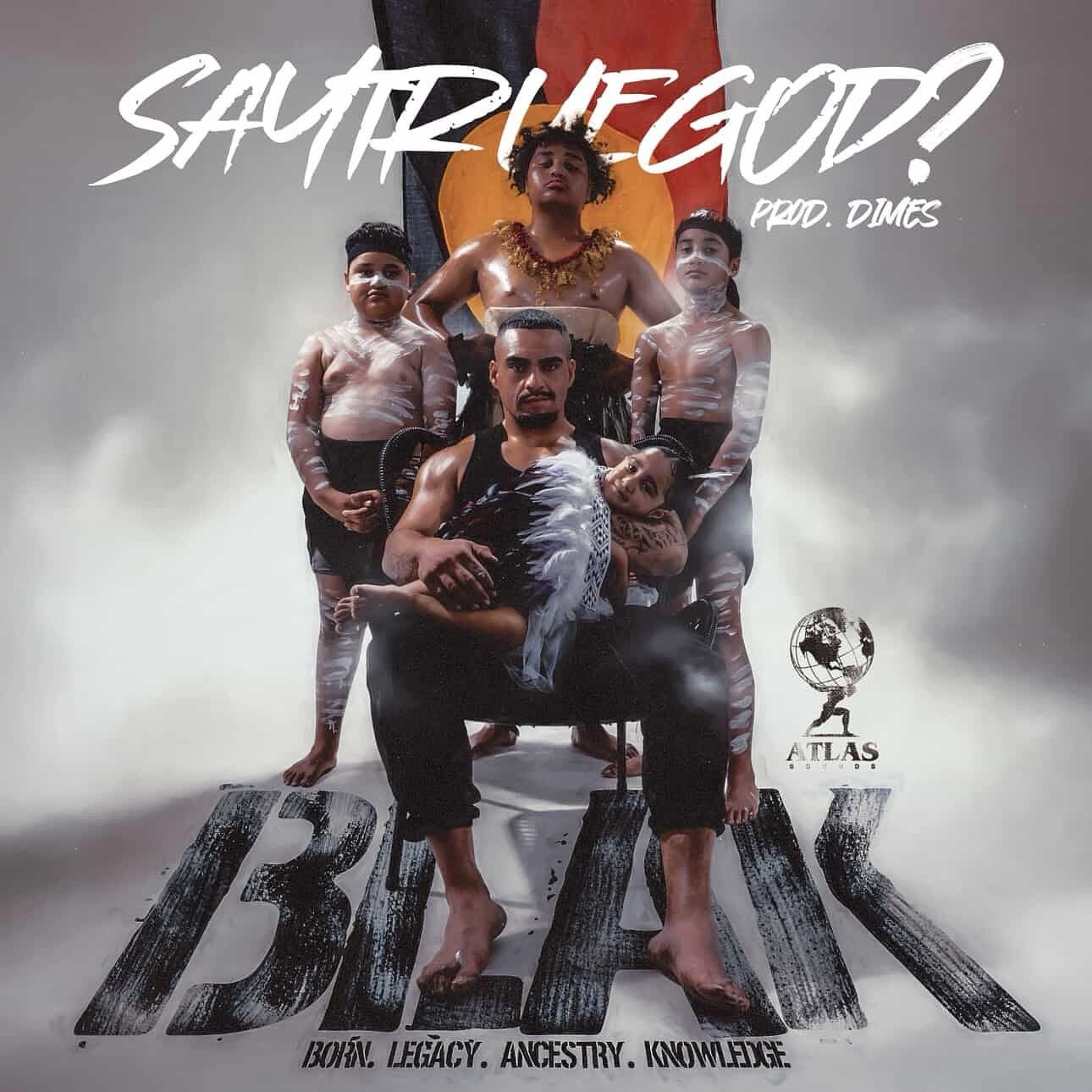
A crossover boxing card can introduce an artist to people who have never heard their work. For  SayTrueGod, that makes the music background essential context. The fighter name on the Yeppoon promotion belongs to a public creative career with its own releases, coverage and audience.
National Indigenous Times covered the debut album BLAK in September 2025 and later identified SayTrueGod among Indigenous artists recognised at the Queensland Music Awards in April 2026. Those stories belong to the music timeline. They are not boxing achievements, but they help explain the established identity he brought to the event.
A different way into the same profile
A fan arriving through a fight clip may want a result first. A music listener may be more interested in why an artist took on a sporting challenge at all. A useful profile should welcome both without assuming that either audience already knows the other part of the story.
That is why the music material sits alongside the boxing coverage here. It creates a path back to the work that existed before the promotion, rather than letting a single appearance overwrite the wider career. The audience can understand the crossover because both sides remain visible.
Our view is that this is one of the strengths of creator-led events. They can make an introduction between communities that would otherwise remain separate. The value comes from giving the people involved enough context, rather than expecting recognition alone to carry the whole story.
Recognition without losing the source
Awards reporting and release coverage answer different questions. One places an artist within a particular moment of industry recognition; the other introduces a body of work. Keeping both dates attached helps a new reader understand the sequence without making the music career look as though it started with a boxing announcement.
We also keep the limits of the available material clear. This feature is not a track-by-track review of BLAK or a claim that we attended an awards ceremony. The release and recognition are reported background, credited to the publication that covered them. An independent review would require its own listening and critical assessment.
The distinction leaves room for meaningful editorial context. An artist’s public work can help readers understand why supporters follow a new challenge, while the sporting appearance can introduce that work to a different audience. Neither needs to be presented as proof of success in the other field.
Following the crossover in order
After the music coverage came the published fight preparation and the Yeppoon exhibition report. Reading those pieces in sequence gives the appearance a clearer setting: an established artist accepted another public challenge, prepared for an opponent and became part of a regional fight-night campaign.
The subsequent result is covered separately, with the exhibition classification preserved. Here, the purpose is to make sure the artist remains visible behind the gloves. The same care applies to the imagery: sourced music artwork is credited as artwork, rather than described as a fight-night photograph.
For new readers, the music story is a starting point worth keeping. For existing listeners, it is a reminder that the boxing chapter can expand the public picture without becoming the only thing the audience sees. That fuller connection is what the Soreheads profile is designed to preserve.
Source & publisher credits
National Indigenous Times: SayTrueGod’s debut album BLAK
National Indigenous Times: SayTrueGod among the Queensland Music Awards winners