SayTrueGod and Jake Douglas: the story around their Yeppoon exhibition
By Soreheads Editorial · 2026-10-16 · 2 min read
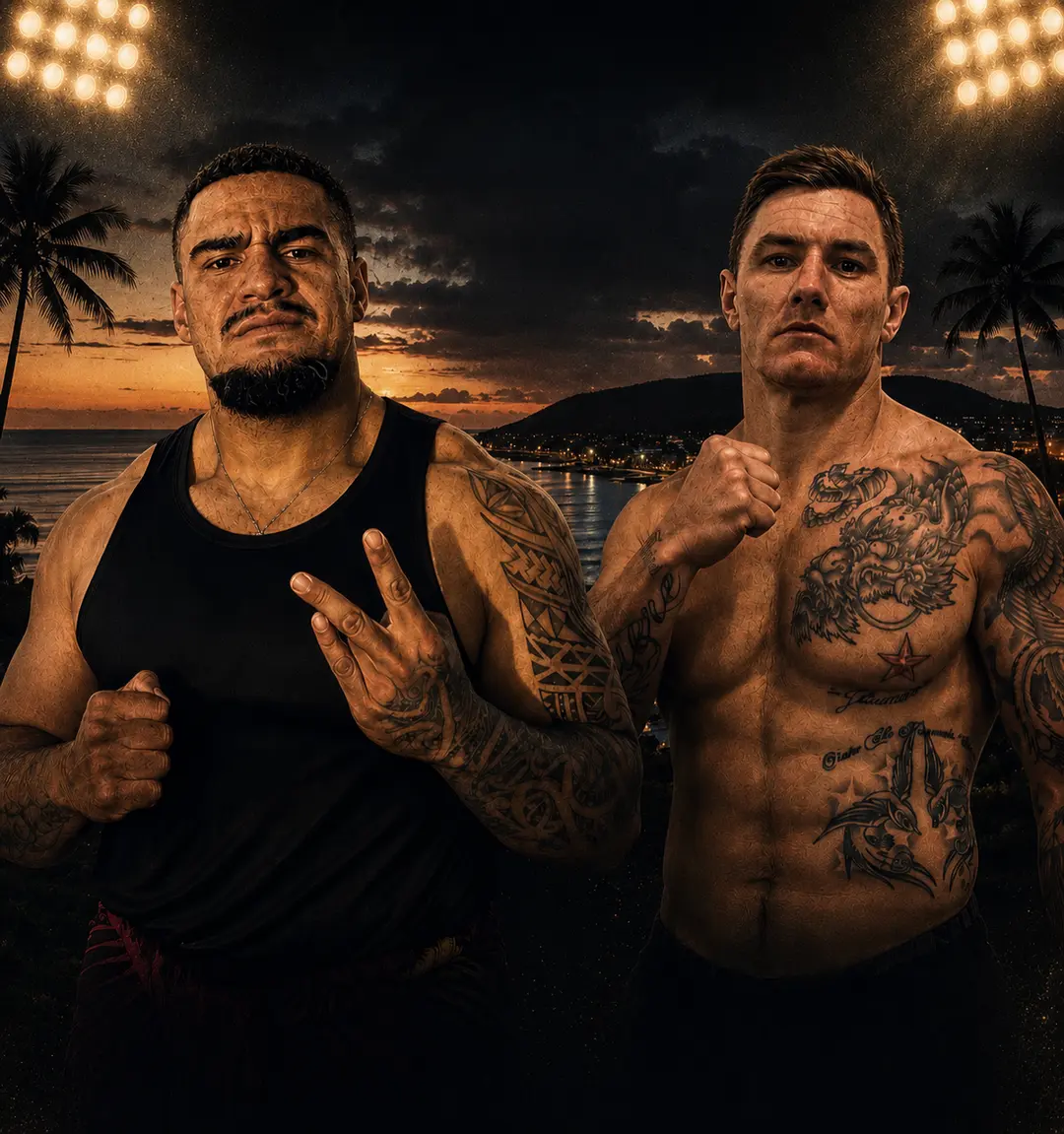
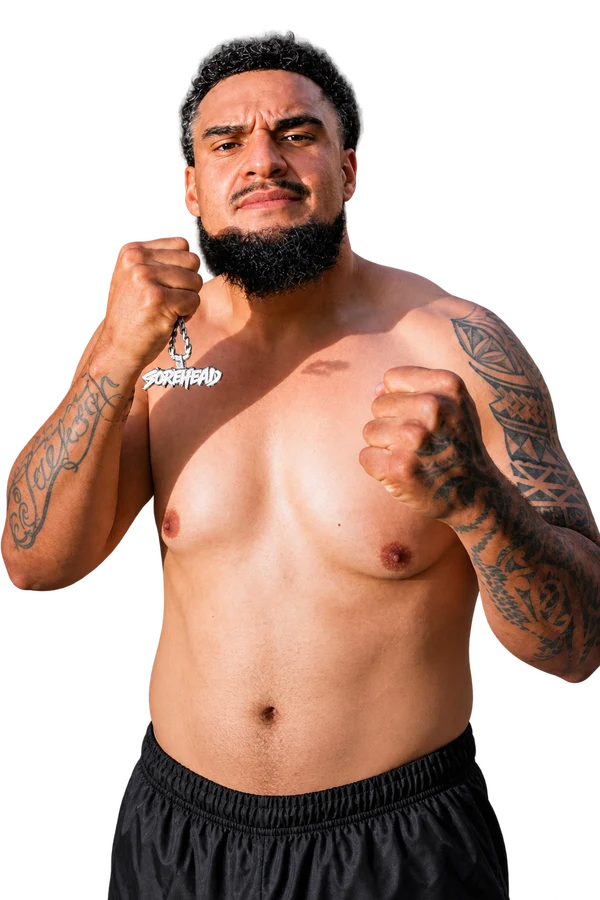 SayTrueGod’s move from music into a public boxing challenge gave Battle at Yeppoon a story that extended beyond the usual fight audience. His advertised opponent,
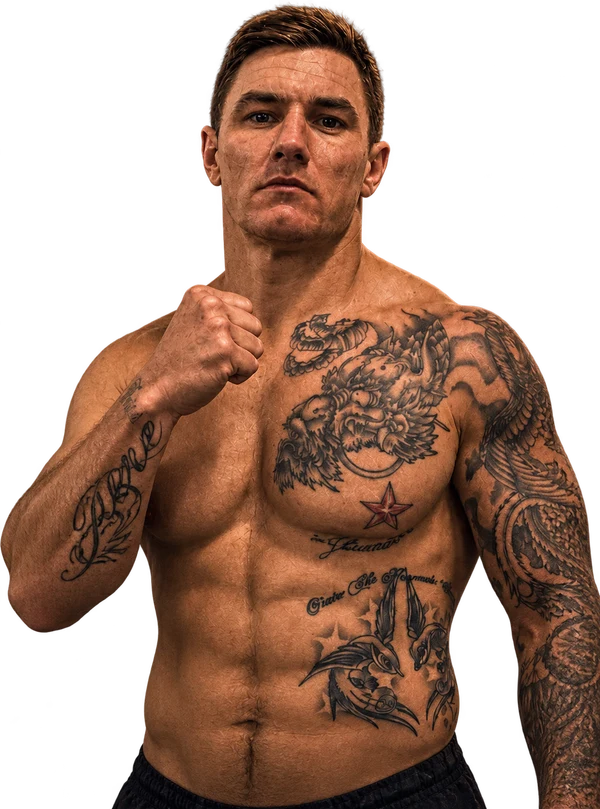 Jake Douglas, brought an established fitness background of his own. The pairing put two different forms of public performance into the same sporting setting.
National Indigenous Times reported after the event that SayTrueGod stopped Douglas in the second round. Crucially, the outlet described the contest as an exhibition. That is the classification used here: the report is part of the event story, and it is not being added to either participant’s professional boxing record.
Before the result, a new challenge
The same publication had covered SayTrueGod’s preparations earlier in the campaign, connecting his music, family and training with the planned appearance. The build-up also included an opponent change. Those details matter because the version of a bout first announced is not always the version that reaches fight night.
Douglas offered a separate first-person perspective in his HWPO Training blog. His account discussed choosing a new challenge and balancing boxing preparation with his CrossFit commitments. Taken together, the two sources show why it is useful to read preparation from both sides rather than treating the whole event as one person’s story.
Fitness is part of the picture
Our view is that the most compelling crossover question is about adaptation. An athlete can arrive with an established work ethic and still be learning how to operate in a different competitive setting. An artist can be comfortable with an audience while facing a new kind of uncertainty in front of one.
Neither comparison tells us what happened in an unseen round or training session. It does explain why the preparation is worth following. Boxing changes the problem from completing a task to responding to another person. The public narrative around that change can be as revealing as the result, provided the coverage does not invent technical details it cannot substantiate.
There is also a difference between supporting someone and assuming their experience transfers unchanged. Fans may follow the musician or the CrossFit athlete into the event for the first time. Useful coverage gives them enough context to understand the challenge without asking them to become experts overnight.
Keeping the post-fight story in proportion
National Indigenous Times included responses from both participants in its post-fight account. That source remains the basis for the reported outcome. We have not conducted a separate post-fight interview or reconstructed the contest from promotional material.
The exhibition label deserves to stay attached wherever the result is discussed. A profile can preserve the appearance and connect it to the artist’s or athlete’s wider work while keeping different sporting records separate. That makes the page more useful for people returning later, when a dramatic headline may have outlived the context around it.
For Soreheads readers, this is a story with several ways in: the music, the training, the event and the response afterwards. Keeping those strands together gives the pairing a life beyond a single result notification, while leaving both participants room to be followed for everything else they do.
Source & publisher credits
National Indigenous Times: SayTrueGod and Jake Douglas: the post-fight report
National Indigenous Times: SayTrueGod prepares to swap the mic for gloves
SayTrueGod / Instagram: SayTrueGod’s post-fight message