Why Yeppoon mattered: creators step into the same ring
By Soreheads Editorial · 2026-10-16 · 2 min read
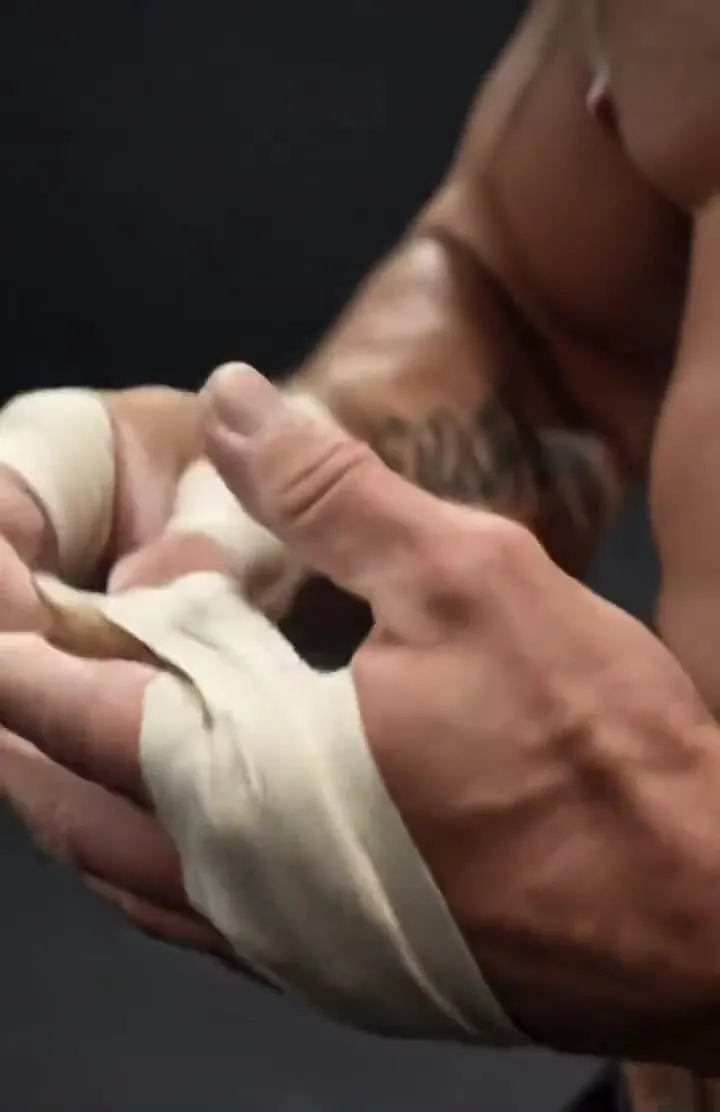
Battle at Yeppoon brought several very different audiences to one advertised fight night. The 29 August 2026 event at Jabiru paired names from music, fitness and online entertainment with people already familiar to combat-sport followers. For Soreheads, that mix is the most interesting part of the story: a fight card can introduce a fan to someone they would never otherwise follow.
Men’s Fitness covered the event’s ambitions before the show, describing the personalities and promotion around the card. Its coverage is useful context, although its bout count differs from the earlier promotional material. That difference is a reminder that the campaign leading into a show and the final record of what happened are separate things.
A card built across different worlds
Alex “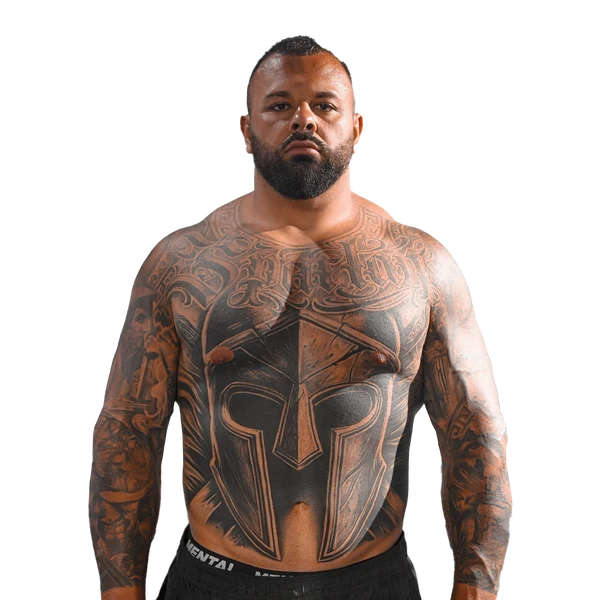 Godly Strong” Simon and
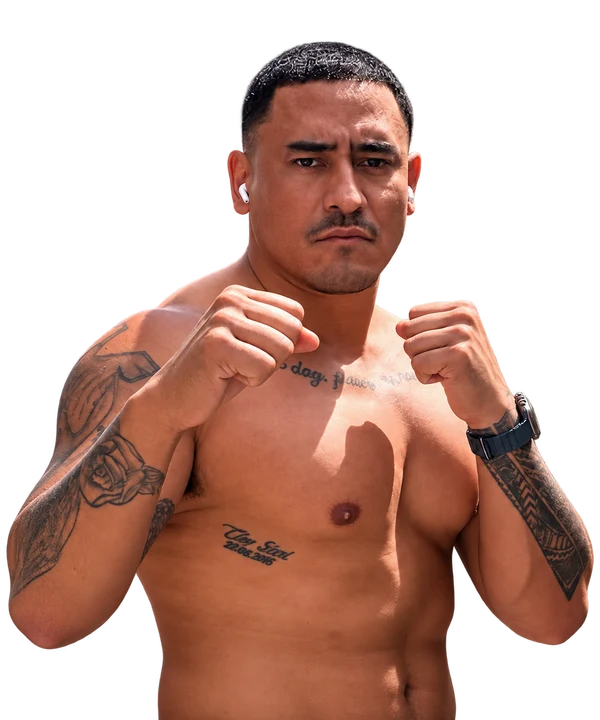 Jordan Simi appeared in the headline promotion.
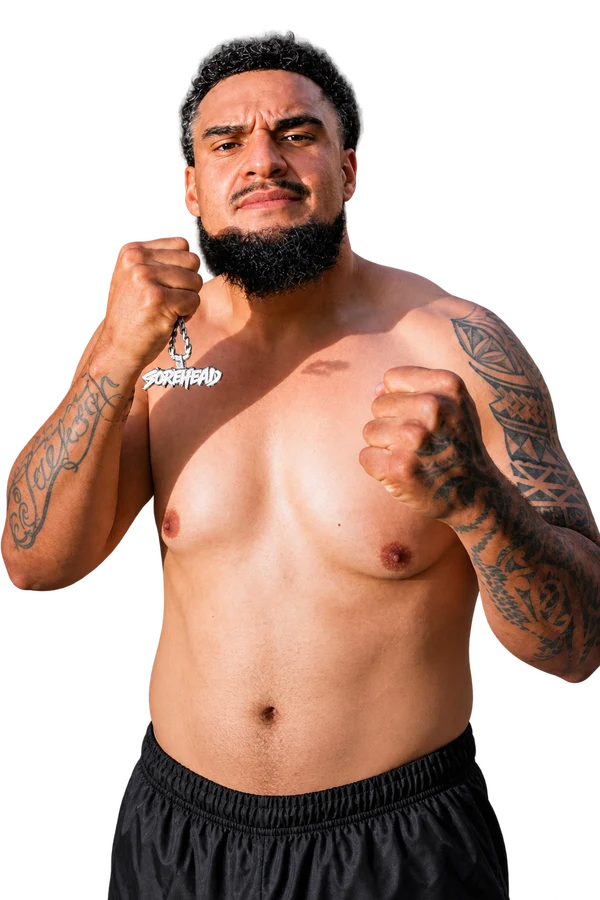 SayTrueGod and
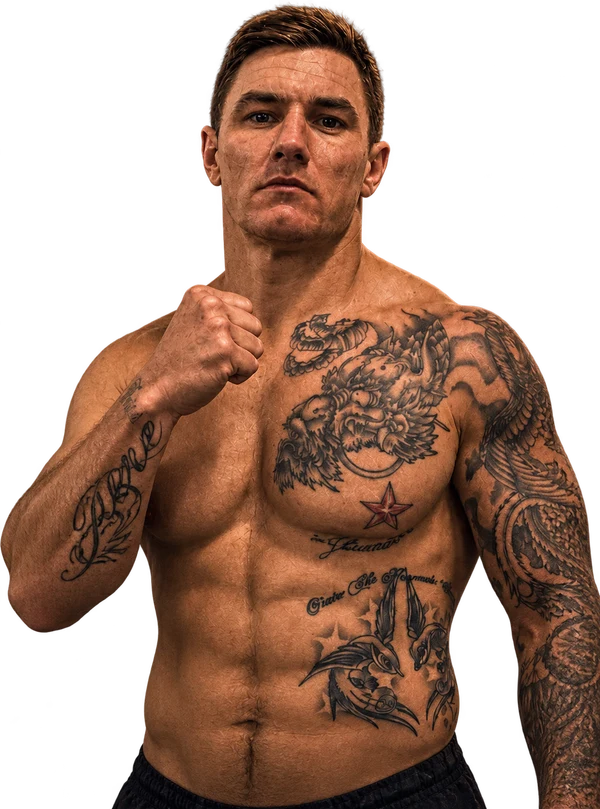 Jake Douglas brought another crossover: an artist taking on an athlete whose established sporting identity came from CrossFit. Elsewhere, the campaign connected wildlife creator Damian “
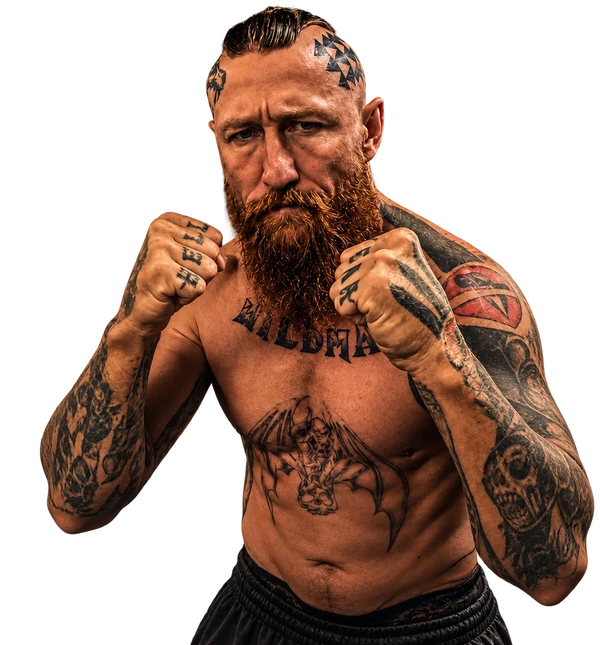 Wildman” Duffy, artist
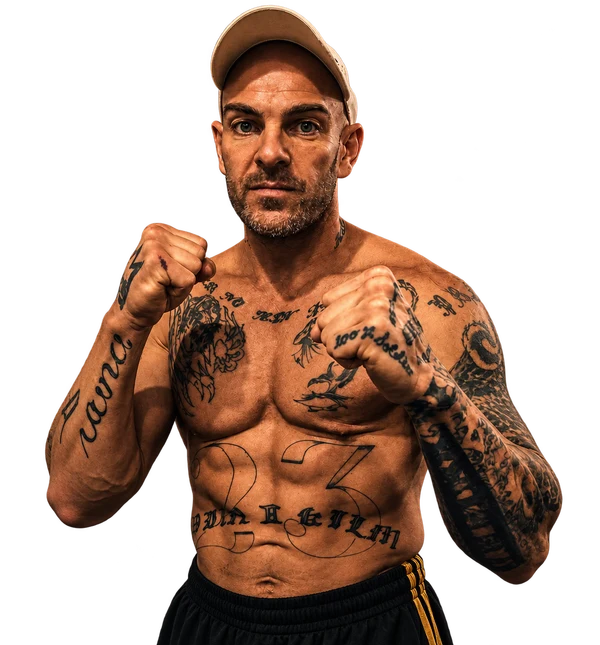 Nathan Paddison and other personalities with the Soreheads audience.
The appeal of that approach goes beyond recognising a name on a poster. An artist’s supporters may follow the training story; a fitness audience may be curious about the transition between disciplines. Those are different reasons to watch, and they give the event a wider range of stories than a single rivalry could provide.
The preparation deserves its own coverage
The useful question for a crossover fight is what changes when the challenge becomes real. Training has an opponent attached to it. Public attention can follow someone into camp. A familiar public persona has to make room for learning a difficult skill, with all the uncertainty that involves.
Our view is that the build-up deserves space alongside the result. A short finish can dominate the clips people share afterwards, but it cannot tell the whole preparation story. Profiles, interviews and training diaries help explain why someone agreed to compete and what the experience meant within their wider working life.
That approach also makes the coverage more useful after fight week. A reader finding the event months later needs a clear sequence: who was advertised, which material was promotional, and what subsequent reporting says. Presenting an old announcement as a new booking breaks that sequence and leaves fans with the wrong impression.
Following the event after the noise settles
The Soreheads archive brings the card, connected profiles and available media together so the story can be followed in one place. Where an outlet reports a result, we identify that reporting. We do not turn promotional titles, follower totals or a published clip into a sanctioned career record.
There is room for excitement without losing those distinctions. The personalities make people care about the night; accurate event information helps that interest last. A regional show can become an introduction to a much larger community when the coverage gives each participant enough room to be more than a name beneath a pair of gloves.
Yeppoon’s lasting editorial value is that collection of people and motivations. The event page preserves the setting, while the individual stories let readers decide whose journey they want to follow next.
Source & publisher credits
Men’s Fitness: How influencer boxing came to Yeppoon
Sorehead promotions / YouTube: Battle at Yeppoon: the ceremonial weigh-in
Road to Glory / FindGlocal mirror: RTG’s public fight-night updates
Kaine Zammit / Snapchat: Kaine Zammit: sparring and preparation